Understanding the Shift from Plastic SIMs to Digital Profiles
Prepaid eSIM Plans: The Ultimate Guide to Flexible Connectivity
Imagine landing in a new country and instantly connecting to a local network without juggling physical SIM cards. That is the convenience of a prepaid eSIM, a digital SIM that you purchase and activate online before or during your trip. It works by downloading a profile directly to your phone, letting you switch between plans without hunting for a store. You simply pick a data package, scan a QR code, and enjoy immediate coverage with no contracts or hidden fees.
Understanding the Shift from Plastic SIMs to Digital Profiles
The shift from plastic SIMs to digital profiles for prepaid eSIM represents a fundamental change in how mobile connectivity is accessed and managed. Instead of inserting a physical card, a prepaid eSIM relies on a downloadable digital profile that directly encodes your subscription’s credentials into the device’s secure hardware. This eliminates the need to wait for a physical card or swap SIMs when changing providers. For prepaid users, this means instant activation immediately after purchase, as the profile can be installed remotely via a QR code or app. A key practical advantage is the ability to store multiple profiles on one device.
This allows you to maintain your primary prepaid number while separately adding a prepaid eSIM for travel or a secondary service, switching between them digitally without ever touching a physical tray.
Management is handled entirely through software, making it simpler to top up or change plans directly from your device.
What Differentiates a Digital SIM from a Traditional Card
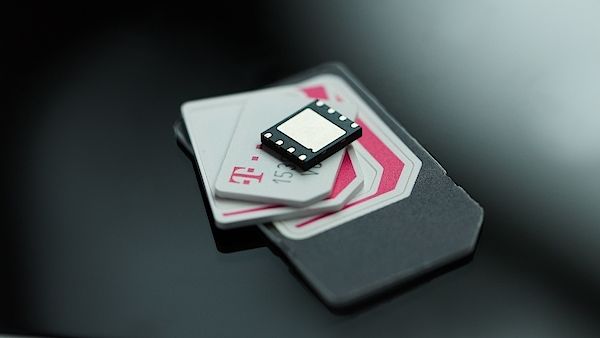
The core difference is physical absence versus tangible card. A traditional SIM is a removable plastic chip that must be inserted into a device, locking you to that specific hardware until you swap it. A digital SIM, or eSIM, is a rewritable software profile embedded directly into the device’s motherboard. This eliminates the need to handle a tiny card, wait for postal delivery, or fiddle with a SIM ejector tool. For prepaid users, this means activating a new plan in seconds via a QR code or app, rather than waiting for a physical card to arrive. You can also store multiple prepaid plans on one device and switch between them digitally without ever touching plastic.
| Feature | Traditional SIM Card | Digital SIM (eSIM) |
|---|---|---|
| Physical Medium | Removable plastic chip | Embedded, non-removable silicon chip |
| Installation | Manual insertion into slot | Instant over-the-air download |
| Carrier Switching | Requires card swap | Digital profile swap via software |
Why Travelers and Minimalists Are Choosing This Route
Travelers choose this route for the instant connectivity and zero physical waste upon landing in a new country, avoiding SIM card hunts. Minimalists value clearing their phone tray and wallet of clunky plastic. By purchasing and activating a prepaid eSIM before departure, they bypass roaming fees and language barriers at local kiosks. The elimination of physical storage for SIMs from past trips simplifies packing for minimalist nomads. A single digital profile replaces a drawer full of old cards, a decisive factor for those prioritizing a lightweight, clutter-free lifestyle.
Why do travelers and minimalists specifically choose a prepaid eSIM over a physical SIM? Because it offers immediate cost control via prepaid data packs and removes the need to carry, swap, or eventually dispose of physical plastic, aligning perfectly with travel convenience and minimalist principles.
Core Advantages of Going with a Pay-As-You-Go Virtual Number
The core advantage of a pay-as-you-go virtual number on a prepaid eSIM is absolute financial control. Instead of being locked into a monthly plan with unused data, you top up only what you need right now. For a freelancer hopping between cafés, this means loading €5 for an afternoon of work, then letting the number idle without penalty.
You pay only for the bytes you breathe, not for the silence of an empty slot.
The eSIM’s zero-commitment nature pairs perfectly with the virtual number’s lack of a physical SIM slot, letting you discard the line instantly if your budget shifts—no bills, no overdue fees, just a direct transaction for the call or text you actually send.
No Long-Term Contracts and Surprise Fees
Forget being locked into a year-long agreement or dreading hidden charges. With a prepaid eSIM’s pay-as-you-go virtual number, you enjoy total freedom from no long-term contracts and surprise fees. You simply pick a plan, pay upfront, and that’s it. There’s no fine print that adds extra costs for activation, roaming, or data top-ups. If you need to extend your service, just:
- Visit your provider’s app or website.
- Choose a new data pack or top-up amount.
- Pay only for what you select—nothing more.
This setup means your bill stays transparent, so you’ll never face an unexpected charge for a service you didn’t agree to. Perfect for travelers or anyone who hates subscription traps.
Instant Activation Without Visiting a Store
With a prepaid eSIM, you achieve instant activation without visiting a store by completing the entire setup from your device. Simply purchase a plan online, scan a QR code delivered to your inbox, and your number goes live within minutes. No physical SIM exchange or store hours limit this process. The sequence is straightforward:
- Select a data plan on the provider’s site.
- Receive your eSIM profile via email.
- Install and activate it in your phone’s settings.
This eliminates travel to a retail point and sidesteps queues, making connectivity immediate wherever you have internet access.
Keeping Your Primary Number Active for Calls
With a prepaid eSIM, you can keep your primary number active for calls without a monthly contract. Port this line to a low-cost pay-as-you-go plan, then use your prepaid eSIM for data while traveling or testing a second network. Your original number remains reachable for urgent calls, avoiding the hassle of provider switching. This approach lets you maintain your personal line’s identity while bypassing expensive carriers.
- Set call forwarding to your prepaid eSIM’s number for seamless redirection.
- Keep a minimal credit balance to ensure incoming calls still connect.
- Disable data on the primary line to prevent unintended charges.
How to Identify the Best Provider for Your Needs
To identify the best prepaid eSIM provider for your needs, first map your typical destinations and compare coverage maps, prioritizing providers with native networks over roaming partners. Scrutinize data allowances and speed caps, as “unlimited” plans often throttle after a certain threshold, which is critical for streaming or tethering. Check top-up and plan-change flexibility; the best providers let you adjust plans mid-trip without wasting unused credit. A provider’s app usability and instant activation procedure can determine whether you are online within minutes or stuck troubleshooting. Finally, match the plan duration to your exact travel dates, not just days, to avoid paying for unused time.
Checking Network Coverage in Your Destination
Before purchasing a prepaid eSIM, pinpoint the exact network coverage map for your destination. Look for providers displaying local carrier partnerships, as a single eSIM may rely on multiple towers. Use coverage-checking tools on the provider’s site to zoom into specific neighborhoods or transit routes. Avoid assuming blanket coverage: check for 5G availability and rural area strength to stay reliably connected. Compare user-submitted coverage reports for real-world validation, not just vendor claims.
Map your eSIM against destination-specific carrier coverage to guarantee connectivity where you need it most.
Evaluating Data Speeds Versus Price Per Gigabyte
When choosing a prepaid eSIM, don’t just stare at the price per gigabyte. A super cheap plan is useless if your data crawls. You need to balance cost with actual speeds. Check user reviews on platforms like Reddit or Trustpilot to see if a provider throttles after a small amount of high-speed data. Look for plans that offer reliable 4G or 5G speeds for your core tasks, even if the price per gig is slightly higher. For streaming or video calls, prioritize speed over pure volume.
| Price Per GB | Typical Speed | Best Use Case |
|---|---|---|
| Very Low | Often throttled or deprioritized | Messaging, maps, light browsing |
| Medium | Consistent 4G/5G for moderate use | Social media, music streaming, navigation |
| Premium | True high-speed, uncapped | Video calls, HD streaming, remote work |
Reading the Fine Print on Top-Up Policies
When evaluating a prepaid eSIM provider, scrutinizing top-up policies protects against unexpected lapses. Check if unused data from a previous purchase rolls over or expires entirely upon adding a new plan. Confirm whether top-ups are applied automatically when your balance runs low or require manual initiation, as automatic triggers can drain funds if misconfigured. Examine if a provider imposes a minimum top-up amount that exceeds your actual needs, forcing you to overpay. Finally, verify whether the top-up extends your plan’s validity period or simply adds data to the existing expiration date.
- Identify whether top-ups reset your plan’s validity date or merely supplement data without extending service duration.
- Confirm if there is a non-refundable minimum top-up amount that could result in wasted credit.
- Check the automatic top-up trigger threshold to avoid unintended charges from a low-balance alert.
- Look for rollover policies that let you keep unused data from previous top-ups, not just the initial plan purchase.
Step-by-Step Setup Without a Physical Card
Setting up a prepaid eSIM without a physical card begins by purchasing a digital plan from a provider’s website or app. You then receive a QR code or activation code immediately via email. On your device, navigate to cellular settings and select “Add eSIM,” then scan the QR code or manually enter the details. The eSIM profile downloads directly to your phone, eliminating any need for a plastic SIM. After installation, label the line (e.g., “Travel Data”) and set it as your primary or secondary data connection. Finally, top up or purchase add-ons through the same app—no card insertion or carrier store visit is ever required.
Confirming Your Phone’s Compatibility First
Before purchasing a prepaid eSIM, confirming your phone’s compatibility first is critical. Check if your device is unlocked and supports eSIM technology, typically listed under Settings > Cellular or Mobile Data. Most modern flagships from Apple, Google, and Samsung feature dual SIM support, but older models may lack it. Verifying your IMEI through your carrier’s website ensures the eSIM profile will activate. Skipping this step risks a non-functional plan.
What happens if my phone isn’t compatible with a prepaid eSIM? You cannot activate the eSIM, and your purchase may be non-refundable, requiring a physical SIM alternative instead.
Scanning the QR Code or Installing via App
For prepaid eSIM setup without a physical card, scanning the QR code or installing via app are the two primary methods. The QR code, provided by the carrier post-purchase, is scanned directly in your device’s cellular settings to download the eSIM profile. Alternatively, carriers offer a dedicated app that automates the installation; after logging in, the app triggers the eSIM download without requiring a QR scan. Both processes typically need a stable Wi-Fi connection to avoid interrupting the download. Ensure your device is unlocked and compatible before proceeding, as the QR code is single-use.
Scanning the QR code or using the carrier app directly downloads the prepaid eSIM profile, eliminating the need for a physical card. App-based installation often simplifies the process by auto-filling account details.
Managing Multiple Lines on One Device
Juggling personal and work contacts is effortless when you manage multiple lines on one device via a prepaid eSIM. You simply assign each eSIM a distinct label and default line for calls, messages, or data. Toggling between plans happens in the cellular settings menu, allowing you to select which number to call from or which data pool to use at any moment. This setup lets you keep a local data eSIM active while your foreign home eSIM quietly waits for essential alerts. The key is mastering prepaid eSIM line management to set your default data eSIM for internet while routing voice calls through a different number.

Prepaid eSIMs let you switch between personal and work lines instantly, keeping them separate on one device without swapping physical cards.
Comparing Regional Plans for Frequent Travelers
When comparing regional plans for frequent travelers with a prepaid eSIM, assess data allowances and validity periods across your specific destinations. A single Asia-Pacific or European plan often costs less than individual country eSIMs, but it may throttle speeds in less covered nations. For example, a traveler hopping between Japan, South Korea, and Taiwan might find a regional “East Asia” plan more cost-effective than three separate single-country eSIMs, though coverage reliability varies by operator. Q: How do I choose between a regional and multi-country plan? A: Prioritize regional plans when your itinerary includes three or more neighboring countries with shared coverage zones; opt for individual eSIMs if you need max compatibility in a specific nation where regional plans lack full support. Always verify if the regional prepaid eSIM includes 5G access, as many restrict peak speeds to 4G LTE in certain territories.
Europe-Wide Packages vs Single-Country Options
For frequent travelers, choosing between a Europe-wide eSIM package and single-country options really depends on your itinerary. A regional plan gives you seamless, hassle-free connectivity across multiple borders, perfect for multi-stop trips. If you’re spending the whole trip in one place, a single-country plan is often cheaper and offers better local data speeds. Just remember: Europe-wide plans usually auto-connect to local networks, so you avoid manually switching profiles. Single-country plans lock you into one network, but they save cash for static vacations.
Asia-Specific Bundles with High-Speed Tiers
For frequent travelers in Asia, many prepaid eSIMs offer bundles that unlock ultra-fast 5G data tiers tailored to the region. These plans often let you pick a high-speed cap, like 10GB or 30GB, ensuring smooth video calls and mapping in bustling cities like Tokyo or Bangkok. Some providers even include free roaming across multiple Asian countries within the same high-speed tier, so you don’t need separate purchases. Just activate the bundle upon arrival and enjoy seamless connectivity without throttling.
Asia-specific bundles with high-speed tiers give you blazing-fast data for key hubs, mixing generous caps with easy multi-country use.
North American Carriers Offering Short-Term Data
North American carriers offering short-term data via prepaid eSIM focus on flexible, multi-day plans ideal for transit or quick trips. T-Mobile provides tourist data passes valid for 7, 15, or 30 days with full-speed LTE on its domestic network. AT&T’s prepaid eSIM offers a 7-day unlimited talk & data option requiring no credit check, activating within minutes. Verizon’s prepaid eSIM includes a 15-day 5GB plan with hotspot capability, though speeds are deprioritized after the cap. These plans are tied directly to each carrier’s infrastructure, avoiding roaming delays common with third-party resellers.
- T-Mobile’s short-term eSIM passes include unlimited 5G data but throttle video to 480p
- AT&T and Verizon require existing US account or eSIM-compatible unlocked device for activation
- Data-only eSIMs (no voice line) are available from all three for under $30 for 7 days
Common Misconceptions About Digital Prepaid Services
A major misconception is that prepaid eSIMs require a permanent commitment, locking you into a contract or a single carrier. In reality, users can swap digital profiles instantly via a QR code or app, making it perfect for avoiding roaming fees or testing local networks. Another myth is that you need a physical SIM tray or a high-end phone; most recent devices with eSIM capability work seamlessly. People also assume their old phone number is lost forever, but prepaid eSIMs often support number porting or dual-SIM setups, letting you keep your primary line active.
The real key insight is that “prepaid” doesn’t mean “less functional”—it means total control over your connectivity.
Finally, don’t believe recharges vanish if unused; most providers roll over data or offer flexible validity periods.

Does It Work with Locked Smartphones?
A common misconception is that a prepaid eSIM is incompatible with a locked smartphone. In reality, a device lock typically restricts only the physical SIM slot to a specific carrier, not the eSIM functionality. A prepaid eSIM installs as a separate digital profile, so if your phone supports eSIM technology and the lock is solely on the physical SIM tray, the eSIM will activate and operate normally. However, if the carrier lock extends to the eSIM module—a practice less common but possible—the prepaid eSIM will fail. You must verify your phone’s specific lock terms, not assume all locks block digital profiles.
Is the Connection Less Reliable Than a Physical SIM?
A common worry is that an eSIM’s connection is less stable than a physical SIM, but this is not supported by technical reality. The eSIM network performance is identical because the connection depends entirely on the carrier’s signal and frequency bands, not the SIM form factor. Both technologies use the same modem hardware to authenticate onto the network. Any perceived drop in reliability usually stems from device compatibility issues, a weak signal area, or improper profile installation rather than the eSIM itself.
- eSIM and physical SIM connect to the exact same network towers and bands.
- Call and data stability are dictated by carrier coverage and device modem, not the SIM type.
- eSIM re-provisioning over the air can be slower than a physical card swap during network outages.
Can You Switch Providers Without Losing Your Balance?
A common misconception is that switching prepaid eSIM providers automatically forfeits your remaining balance. In reality, your balance is tied to the specific provider’s account, not the eSIM itself. When you delete a provider’s eSIM profile or install a new one, the old balance remains in that original account—it does not transfer to the new provider. To avoid loss, you must either exhaust the balance before switching or check if the original provider offers a refund. Your balance does not follow you.
Q: Can you switch providers without losing your balance?
A: No, because your balance is stored in the original provider’s system. Transferring to a new prepaid eSIM will leave that balance behind, usable only if you reinstall the original provider’s eSIM later.
Tips for Getting the Most Value Out of Your Purchase
To squeeze every drop of value from your prepaid eSIM purchase, first pinpoint your exact data needs by checking your past usage; buying a bloated plan wastes cash. Activate the eSIM only right before you board your flight to maximize the validity window during your actual travel. Hunt for plans that include bonus features like a local phone number or complimentary incoming calls, as these perks often deliver more bang for your buck than raw gigabytes alone. Finally, resist the urge to purchase top-up add-ons immediately; instead, rely on Wi-Fi for heavy downloads and save your eSIM data for essential navigation and messaging, making the plan stretch further without extra cost.
Timing Your Activation to Align with Your Itinerary
Activating your prepaid eSIM too early burns your plan’s clock while you’re still airborne or in transit. For optimal value, schedule activation to trigger precisely at your destination’s arrival, not the moment of booking. Activate upon landing ensures every minute of your data allowance serves you where connectivity matters most. Many providers allow you to set a future activation date, turning a simple purchase into a perfectly timed travel tool. This alignment prevents wasted days while you sleep off jet lag or explore airport terminals, keeping your entire itinerary active from the first step outside customs.
Using Wi-Fi Calling to Stretch Your Allowance
Activate your prepaid eSIM’s Wi-Fi Calling to preserve your data allowance by routing calls and texts over a connected Wi-Fi network rather than the cellular band. This feature uses zero of your allocated mobile data, meaning you can maintain full communication without depleting your plan’s allotment. In areas with weak signal but stable Wi-Fi, you avoid forcing the eSIM to hunt for a network, which otherwise wastes battery and may incur background data charges. Ensure your eSIM supports the carrier’s Wi-Fi Calling profile; once enabled, every minute of talk or text sent over Wi-Fi directly extends how long your purchased allowance lasts.
Using Wi-Fi Calling lets you talk and text without consuming any of your prepaid eSIM’s data or voice minutes, effectively stretching your allowance.
Setting Alerts Before Your Plan Expires
Maximizing your prepaid eSIM value means setting alerts before your plan expires to avoid losing unused data. Most eSIM platforms allow calendar or app reminders for expiration dates. Configure a notification two to three days early so you can activate a data-heavy task—like streaming or app updates—rather than leaving gigabytes wasted. A final 24-hour alert ensures you physically switch the eSIM on for last-minute use, preventing automatic renewal fees. This small habit transforms leftover data into tangible utility.
Set expiration alerts to force usage of remaining data, turning potential waste into guaranteed value.
Future Trends in On-Demand Mobile Connectivity
The future of on-demand mobile connectivity hinges on prepaid eSIMs becoming instantly self-configuring. Travelers will soon land and have their device automatically negotiate the strongest local network and load a tailored data plan without any app interaction. This shift will prioritize real-time bandwidth trading, where a single on‑demand eSIM can switch between carriers within seconds to optimize for speed or cost. Expect embedded intelligence that pre-emptively tops up low balances via crypto or digital wallets, ensuring connectivity never drops. These instant prepaid eSIM activations will eliminate manual setup entirely, turning mobile access into a seamless, utility-like experience that reacts to user location and usage patterns on the fly.
Integration with IoT Devices and Smartwatches
Prepaid eSIMs are becoming the backbone of practical connectivity for IoT sensors and smartwatches, allowing users to assign a lightweight data plan directly to a wearable without needing a paired smartphone. This streamlines device management, enabling a standalone smartwatch to make calls, stream music, or a smart sensor to report metrics entirely on its own data allowance. Direct eSIM provisioning eliminates physical SIM trays in compact devices, making waterproofing simpler and battery swaps easier. How do you manage a prepaid eSIM on a smartwatch if the watch has no app store? Most modern smartwatches allow scanning a QR code or entering an activation code during initial setup, automatically downloading the prepaid profile to the device’s eSIM chip.
Rise of Localized Micro-Plans for Remote Work
For remote workers, the rise of localized micro-plans transforms prepaid eSIM into a hyper-flexible tool. Instead of committing to a broad regional plan, you now select a data package tailored to the exact city or co-working hub you occupy for a few days, avoiding waste. This means you pay only for the specific network capacity needed in that precise location. Localized micro-plans for remote work eliminate the need to overpay for national coverage when your tasks are concentrated in a single Singapore eSIM neighborhood.
- Purchase a 3-day, 10GB plan limited to a specific metro area to match a short project stay.
- Stack multiple micro-plans for consecutive cities without paying for unused regional roaming.
- Switch between localized profiles instantly via eSIM without physical SIM swaps or long-term contracts.
How eUICC Technology Is Driving Down Costs
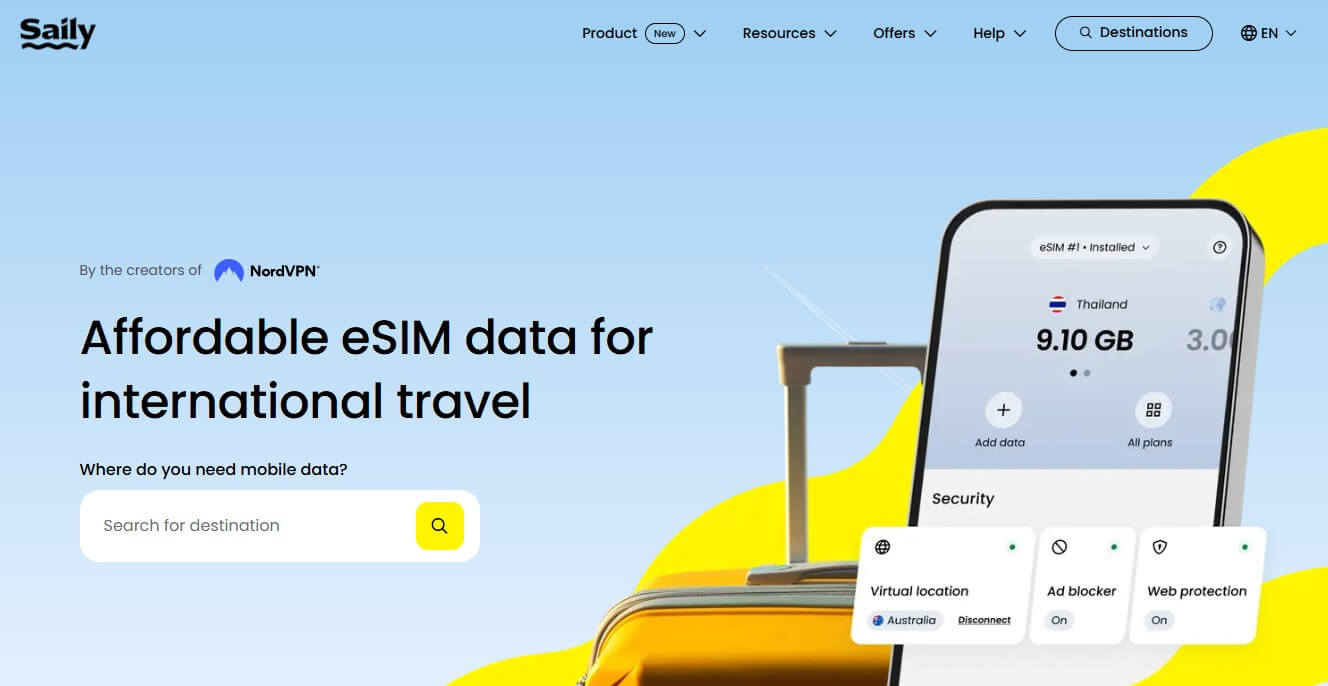
eUICC technology drives down costs by enabling dynamic carrier switching directly from a device’s settings, eliminating the need to purchase and ship physical SIM cards. This cuts logistics and materials expenses entirely. Users can upload multiple prepaid eSIM profiles and select a lower-cost local network when traveling, avoiding expensive international roaming fees. The ability to compare and switch between prepaid data plans in real-time ensures users only pay for competitive, market-driven rates without committing to a long-term contract. This on-demand flexibility directly reduces per-megabyte costs through seamless competition among providers, making connectivity more affordable with each profile change.
What Exactly Is a Prepaid eSIM and How Does It Differ from a Physical SIM?